Corns, Calluses & Toe Deformities
Comprehensive diagnosis and evidence-based treatment for Corns, Calluses & Toe Deformities in Pune by Foot and Ankle Specialist Dr Shyam Thakkar at ARTICUL8 Clinic, Erandwane. Thickened painful hard skin patches over prominent bony joints due to abnormal foot friction.
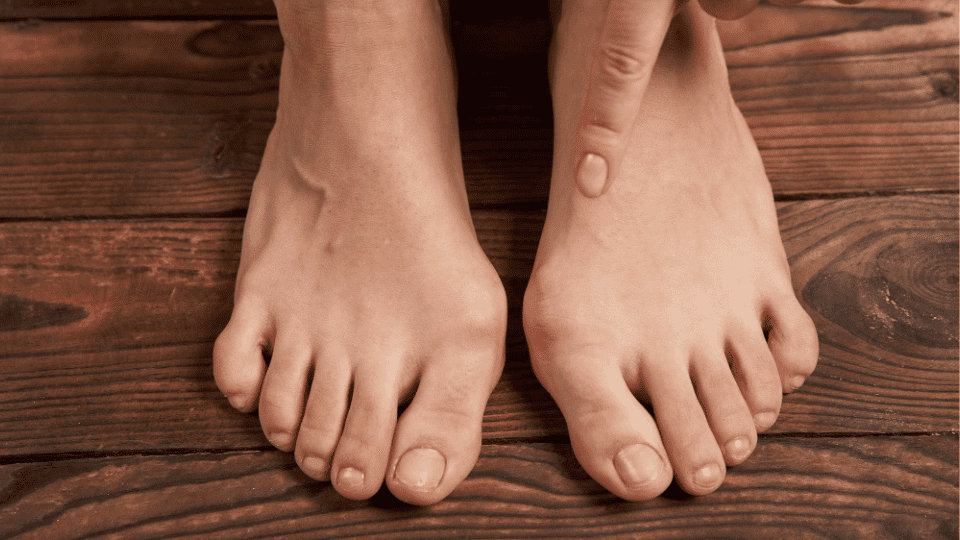
Clinical Imaging: Pressure point mapping for painful foot corns & hammer toe deformities.
Understanding Corns, Calluses & Toe Deformities
Corns and calluses are areas of thickened, hardened skin that develop due to repeated pressure or friction on the foot. They are the body's natural protective response, but when excessive, they can cause pain, difficulty walking, and serious complications—especially in diabetic patients.
Why Are Corns Dangerous in Diabetes? Diabetic patients have reduced pain sensation, poor blood supply, and delayed healing. A callus can hide skin breakdown underneath leading to foot ulcers, gangrene, and amputation risk. Never use acid corn plasters or cut corns at home!
Common Myths vs. Clinical Facts
Clinical Differences & Comparison
| Feature | Corn | Callus |
|---|---|---|
| Size & Shape | Small, well-defined | Larger, spread-out area |
| Pain Level | Usually painful | Usually painless initially |
| Common Location | Common on toes | Common on sole and heel |
| Internal Structure | Has a central hard core | Uniform thick skin |
Common Symptoms & Warning Signs
If you experience one or more of these symptoms, a clinical evaluation by a foot and ankle specialist is recommended:
Causes & Contributing Factors
- Tight or ill-fitting footwear & high-heeled/narrow shoes
- Abnormal foot shape (bunions, hammer toes, flat foot)
- Walking barefoot on hard floors
- Long hours of standing
- Unequal pressure distribution due to gait problems
- Diabetes and nerve damage
Diagnostic Methods & Imaging
Dr Shyam Thakkar performs systematic clinical exams combined with advanced imaging to formulate an accurate diagnosis:
Clinical exam distinguishing hard corns (dorsal toe) from soft corns (interdigital web spaces)
Standing foot pressure mapping identifying peak plantar force distribution
Foot radiographs checking for hammer toe joint subluxations or bony exostoses
Treatment Options & Care Pathways
Phase 1: Evidence-Based Non-Surgical Therapies
Percutaneous MIS Toe Alignment & Deformity Correction
Minimally invasive tendon releases and bone rebalancing through 2mm pinholes, straightening curled toes permanently so skin friction stops.
When Should You See Dr. Shyam Thakkar?
Seek an immediate consultation if you experience any of the following clinical signs:
Key Takeaways for Patients
Frequently Asked Questions — Corns, Calluses & Toe Deformities
1. What are corns and calluses?
Corns and calluses are thickened areas of skin that develop from repeated pressure or friction on the feet. Corns are usually smaller and more painful, while calluses are broader and often less painful.
2. What causes corns and calluses on feet?
They are commonly caused by tight shoes, pressure points, bunions, flat feet, hammer toes, long standing and abnormal walking patterns.
3. Why are corns and calluses dangerous in diabetes?
In diabetes, reduced sensation and poor healing can hide skin breakdown underneath a callus and increase the risk of diabetic foot ulcers treatment, infection and gangrene.
4. Can I remove corns at home?
Home cutting is not recommended, especially for diabetic patients, because it can cause bleeding, infection and ulcers. Seek a diabetic foot care clinic pune.
5. How are corns and calluses treated?
Corn and callus treatment includes safe medical debridement (corn removal treatment pune, callus treatment pune), pressure relief, proper footwear, orthotics, padding and addressing the underlying foot deformity.
6. When should I see a specialist for corns or calluses?
You should see a specialist if they are painful, recurrent, infected, or present in a person with diabetes or foot deformity (corns and calluses in diabetes).
Dr Shyam Thakkar
Orthopaedic Foot and Ankle Specialist & Surgeon
Expert care for Corns, Calluses & Toe Deformities. Consult Dr Shyam Thakkar at Erandwane clinic or leading Pune hospitals.